
I examine platforms with an obsessive eye for digital fluidity https://holly-win.eu/en-nz/. Based in New Zealand, I didn’t just view Hollywin Casino as a place to gamble. I saw it as a piece of high-performance software that needed to pass muster. Here, internet quality swings from Auckland’s fibre to the slower speeds in rural Otago. A platform’s performance isn’t a bonus; it’s mandatory. I spent days putting Hollywin through a battery of tests, zeroing in on the single element that lifts a good experience into a great one: animation smoothness. Every reel spin, every menu shift, every flash of celebratory light was examined by this Kiwi perfectionist. I appreciate a fluid interaction as much as a hefty bonus. This review outlines that analysis. It’s a close look at the frame rates, the loading precision, and the visual polish Hollywin provides its players. It’s crafted for the New Zealander who spots a stutter from a mile away and truly enjoys a perfect glide.
The Reason Animation Smoothness Matters as a Key Factor for Casino Play
A person glancing casually might think fluid casino animations are only a cosmetic touch. After years of reviewing platforms across New Zealand, I perceive it differently. It’s a foundation for trust, engagement, and a sense of fairness. A stuttering reel spin or a lag in a card deal shatters immersion. It pulls you out of the moment and makes you think about the tech underneath. When real money is on the line, that uncertainty can turn to mistrust about the game’s integrity. Smooth animations also point directly to solid software engineering and clean code. A platform that delivers a steady 60 frames-per-second has likely put similar care into its encryption, its random number generators, and its customer support. For a player in New Zealand, this means a session that’s more pleasurable and, more importantly, more dependable. The technology itself recedes, letting the actual thrill of the game come through.
The Mental Impact of Fluid Visuals and Player Trust
Visual fluidity and user perception are intimately tied in our minds. A stuttering interface whispers of instability, a lack of control. Those are the precise emotions you don’t want when you’re making a wager. But when animations are seamless—when a wheel spins with a steady, weighty momentum, or winning symbols light up in a smooth cascade—it speaks of polished professionalism. It feels reliable. This matters to New Zealanders. We might have a practical ‘she’ll be right’ attitude, but we have zero patience for sloppy workmanship. A smooth visual experience subtly convinces us that the backend mechanics, the algorithms governing our wins and losses, are built with the same attention. It initiates a non-verbal conversation about capability between the casino and the player. That builds a baseline of confidence, which is crucial for long-term enjoyment.

System Needs on New Zealand’s Internet Infrastructure
The nature of New Zealand’s internet creates a distinctive test. Major cities have world-class fibre. But users in remote areas, from the Coromandel bays to Canterbury’s high country, often depend on variable broadband or satellite links. A well-optimized casino needs to function gracefully across this entire range. Smooth animation isn’t merely about graphical power. It’s about smart asset loading, efficient data use, and adaptive streaming. A platform that preloads key graphics, or reduces flashy effects on a slow connection, shows respect for its entire audience. My evaluation for Hollywin faced this Kiwi reality. I didn’t just check its functioning on a gigabit line in Wellington. I also saw how it handled under constrained bandwidth, replicating a rainy night on a farm in Manawatū.
Approach: How a Meticulous Assesses Animation
My process was systematic and had no mercy. I utilized multiple devices. A high-refresh-rate gaming monitor with a powerful desktop PC was my reference. I also tested on a standard laptop, a current iPad, and several Android and iOS phones common here. I employed browser developer tools to monitor frame rate timelines, network requests, and GPU load. But the subjective human experience was what mattered most. I played for long sessions, noting every dropped frame in a complex bonus round, any lag in a menu, any delay between clicking ‘spin’ and the reels moving. I focused hard on transitional animations—how smoothly the game lobby tiles into view, how a pop-up window emerges when you check your bonus balance. These micro-interactions are the glue of the experience. Their quality speaks volumes.
Evaluating Against Industry Leaders
To give proper context, I measured Hollywin’s performance to a handful of other casinos. These are internationally renowned brands present locally, known for their software quality. The contrast wasn’t about game libraries. It was purely about that fluid feel of interaction. I gauged initial game load times, checked for pre-loaders on complex features, and watched animation consistency during intense sequences like free spin rounds. This analysis is vital for New Zealand players who have choices. Understanding where Hollywin sits on the spectrum from clunky to buttery-smooth enables you make an informed selection. A casino can have a fantastic welcome offer, but if the core experience grates, that offer rapidly depreciates.
Real-Time Casino Graphics: The Ultimate Real-Time Test
If video slots test visual performance, the live casino tests live streaming and interactive responsiveness smoothness. Here, motion smoothness means streaming lag and reliability. I joined several blackjack, roulette, and game show tables from Evolution and other major developers. The stream quality was always high-definition with almost no lag. The key real-time sensation was undoubtedly there. The distribution of cards, the roulette wheel spin, the dealer actions were all in excellent harmony with the on-screen betting interface. The delay between a live action in the studio and it appearing on my screen in Christchurch was minimal. It was easily within the suitable threshold for decision-based play like live blackjack. This responsive, smooth experience is essential for achieving an real casino environment and for acting quickly. Any glitch or lag here completely breaks the immersion and the functionality of the product.

Multiple Camera Views and Smooth Interactive Features
Today’s live casino games aren’t static streams. They’re dynamic experiences. I tried games with multiple camera angles, like Lightning Roulette, and engaging bonus rounds, like Dream Catcher. Moving between the primary, wheel, and overhead views was instantaneous and smooth. No spinning wheel appeared. When the feature wheel in Dream Catcher started, the move from the primary game to the wheel close-up was seamless. This smoothness in changing views and using special functions shows the production standards and Hollywin’s broadcast system are both on point. It guarantees that the extra entertainment features work as designed. The result is a dynamic, immersive experience that feels both televisual and tailored. That’s a combination appreciated by discerning players here.
Hollywin Casino’s Interface and Navigation A Smooth First Impression
The attention to a fluid interface was clear from my first visit at the Hollywin site. The initial page loaded quickly, with a progressive render that felt deliberate, not haphazard. Browsing the homepage, with its animated banners and game thumbnails, stayed consistently smooth. I saw no noticeable re-paints or layout shifts, a common nuisance on poorer sites. Hover effects on buttons and game tiles were prompt and subtle. They gave responsive feedback without feeling cheap. Moving between the lobby, promotions page, and banking felt cohesive. The transitions seemed native, like moving through a well-made app instead of a website. This finesse in the core interface sets a high bar before you load a single game. It signals that Hollywin gets it. Foundational performance is important to its New Zealand audience.
Menu Functionality and Page Transition Smoothness
Looking closer, the main navigation menu on Hollywin operates with a refined fluidity. When you open it, it slides in with a gentle deceleration. It doesn’t just pop in jarringly. This care for easing—the mathematical adjustment of an animation’s speed—is a signature of good front-end development. Similarly, clicking from the main lobby into a game category like ‘Megaways’ or ‘New Releases’ triggers a swift content transition. It preserves your visual context, avoiding the disorienting flash of a full page reload. These might seem like tiny details. For a perfectionist, they are everything. They cut cognitive load and foster a sense of a unified, responsive environment. For a player in Dunedin or Tauranga, this means less time spent on pages to reload. It means more time browsing games without effort, which directly improves how you uncover and play them.
Slot Game Speed: Where the Reels Really Matter
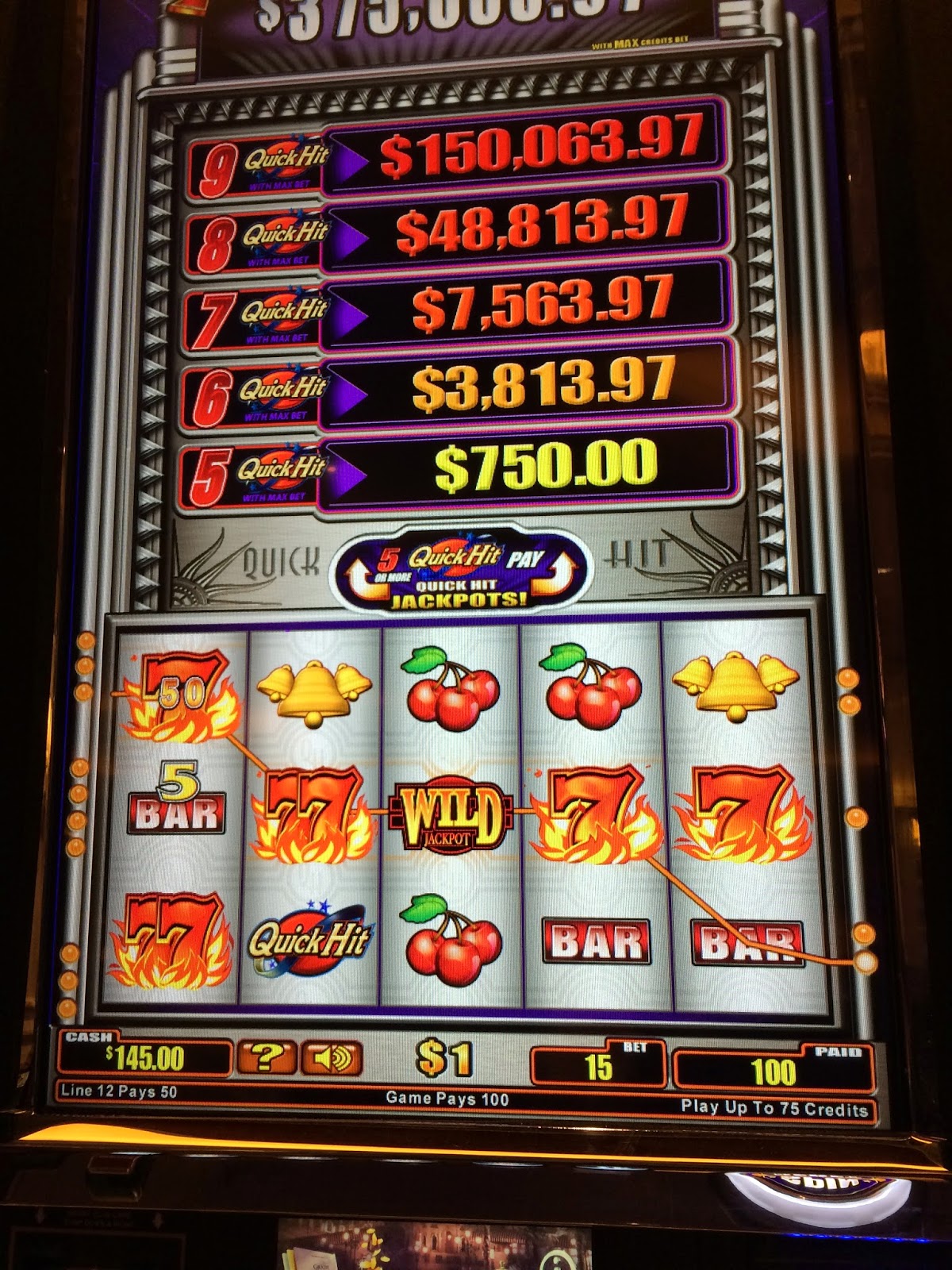
This is the core of the evaluation. The casino layout can be ideal, but if the slot games lag, the entire experience collapses. I picked a wide range from Hollywin’s library. I sampled graphically straightforward retro slots and the most intensive video slots from studios including Pragmatic Play, NetEnt, and Play’n GO. My first test was the initial load. I tapped a game icon and measured the time until I could press spin. Speed was typically outstanding. Most titles loaded in under ten seconds on a stable connection. Crucially, several featured a ‘loading bar’ that precisely indicated progress. It is a small touch, but it enhances openness. After loading, the main reel spin animation was, without fail, flawless. Whether it was the rapid blur of a high-volatility spin or the spectacular, decelerated win display, the movement was fixed at a high frame rate. I observed no screen tearing or noticeable lag.
Dealing with Complex Bonus Rounds and Visual Effects
A game’s software meets its genuine test in the bonus feature. This is where visual effects, stacked animations, and advanced game logic come together. It often pushes browser performance to the limit. I activated numerous free spin rounds, pick-and-click bonuses, and cascading win sequences. In a graphically monstrous game like ‘Gates of Olympus’, featuring its continuous tumbling wins and screen-covering multipliers, Hollywin’s delivery stayed stable. The avalanche of symbols, the flashing multipliers, the celebratory lightning bolts all played out without a single dropped frame on my main setup. Even on older devices, the experience remained solid. The system handled resources smartly. This resilience is critical. Nothing kills the thrill of a bonus round—the peak of slot excitement—like a technical hiccup. Through its partnerships with top providers and its own robust integration, Hollywin’s platform makes sure the visual spectacle matches the potential financial reward.
Mobile Experience: Fluidity on the Go
For plenty of New Zealanders, a mobile is the primary gaming device. Be it on an Auckland commute or taking it easy at a Queenstown café, the mobile experience requires the same polish as desktop. I tried Hollywin extensively through its web-based mobile platform on iOS and Android. The performance was impressive. Touch response was snappy. Buttons weren’t laggy or laggy. Swiping through game categories and scrolling long lists felt fluid, thanks to well-implemented inertial scrolling. Most importantly, the slot games preserved their animation quality. The reels spun with the same smoothness. Bonus rounds performed their visual pyrotechnics without turning the device into a hand-warmer or running down the battery too fast. This parity across devices is a real achievement. It indicates Hollywin’s development is truly adaptive and performance-conscious. It caters to the on-the-go lifestyle prevalent across Aotearoa.
Flexible Layout and Touch-Specific Animations
Aside from raw performance, Hollywin’s mobile interface understands touch. Buttons have enough space to prevent mis-taps. They give subtle visual feedback when you press them—a slight colour shift or scale change—that acknowledges your input. These micro-animations are perfectly adjusted. They’re quick enough to feel reactive, but deliberate enough to notice. The site layout also conforms gracefully to different screens, from a large phone to a tablet. Animations and transitions scale appropriately. This careful attention to the mobile tactile experience shows a user-centric design philosophy. It understands that a New Zealand player on their phone anticipates an interface that’s not just quick, but physically natural and rewarding to use. It matches the quality of the best native apps on their device.
Notable Aspects and Minor Hitches
Being fully transparent, no platform is absolutely flawless. My testing found infrequent, minor hiccups. Specifically, when first loading a particularly heavy slot game during simulated peak evening hours, the startup animation of the game logo could sometimes be marginally less seamless before the game fully cached. This happened just one time each session and never affected the real game experience. Also, on one older Android test device with restricted memory, transitioning out of a extended bonus game back to the base game caused a quick half-second lag. These are rare occurrences. But a meticulous reviewer notes them. These instances were the exception, not the rule. On common devices and connections used by typical NZ players, the experience stayed reliably superb. Even with these tiny imperfections, Hollywin’s performance sits in the premier league.
The Impact of New Zealand ISPs and Personal Device Health
We also have to view performance inside New Zealand’s internet ecosystem. A player’s experience can be influenced by their particular provider’s routing, their wireless configuration, or the health of their own device. Background apps, old browser versions, or limited RAM can reduce animation fluidity on any site. I accounted for these factors as much as possible, testing on pristine, optimised hardware. My suggestion for any New Zealand player is to make sure their own setup is in good order. Keep your browser updated. Empty the cache occasionally. Connect to a stable network. Taking these steps ensures you’ll experience Hollywin at its peak performance. The platform delivers the foundation for a wonderfully fluid experience. Your final connection link and hardware need to match its potential.
Final Verdict: A Platform Built for Smooth Play
My thorough analysis points to a clear verdict. As a New Zealand perfectionist, I can say Hollywin Casino provides a level of animation smoothness that sits with the top available here. From the polished interface navigation to the impeccable execution of complex slot features and the quick thrill of the live casino, the platform reveals a strong investment in front-end excellence. This isn’t a casino where you’ll be troubled by jarring transitions or frustrated by lagging reels. Instead, it provides a consistently polished, immersive, and technically proficient environment. Here, the technology aids the game, not the other way around. For Kiwi players who want a smooth, trustworthy, and visually satisfying gaming session—whether on city fibre or a stable mobile link in the regions—Hollywin offers a attractive and highly fluid proposition.
Hollywin Casino has completed a rigorous smoothness test. The detailed detail in its animations and transitions builds a better user experience that encourages trust and increases enjoyment. For the particular New Zealand player, this technical excellence provides a solid foundation for a rewarding online casino experience. Every spin and every deal offers a pleasing, seamless polish.